
Real Life: How We (Don’t) Sleep
The Avian Alarm
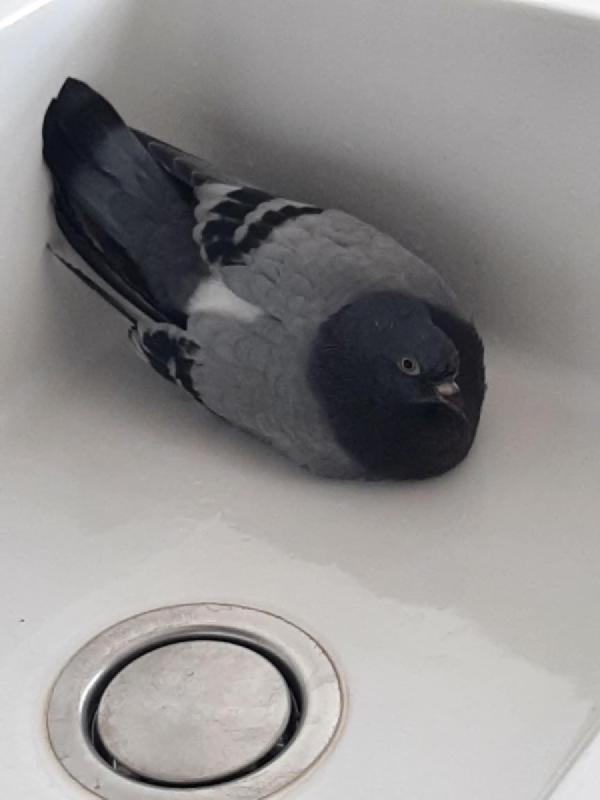
One day we found a baby pigeon whose legs were tangled in trash. The bird was miserable and clearly unable to care for itself. It looked as if it might not survive. We brought it into our apartment and turned the kitchen into a temporary shelter (our cat had the rest of the apartment). For the first few days we syringe fed it, then taught it to eat on its own. During that time, it lost its downy baby feathers and its voice grew hoarse. After five weeks we were finally ready to release it back into the city.
How did it affect sleep? Both of us are chronotype “owls,” but caring for the pigeon motivated us to get up earlier so we could observe and tend to it. The pigeon became a good reason to wake up at dawn.
An Itchy Problem, a Sleepless Night
By far, not all of us take stress well. One of us has developed eczema recently. Stress is known to manifest eczema, an atopic condition.
How did it affect sleep? Sleep quality was greatly diminished, not to mention sleep fragmentation and insufficiency.
Furry Alarm Clock
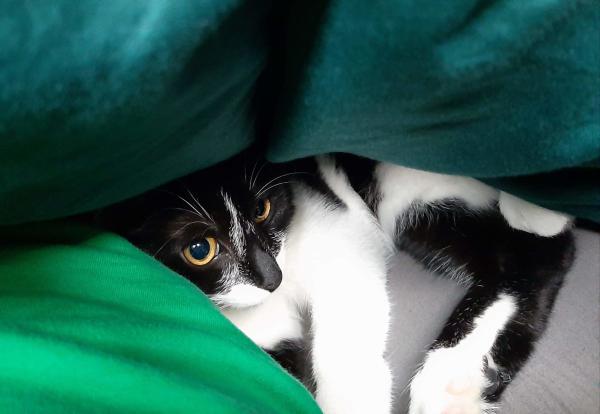
Some of us are cat owners. Cats are great creatures who are very big psychological support. But they can be annoying at times.
How did it affect sleep? If one is an “owl” chronotype, owning a cat is unbearable. They start begging for food and attention at 5-6 AM, not the time when you want to get up! Ignoring cats is hard, they are persistent. Short sleep duration and sleep fragmentation are inevitable. Still, we’ve decided that our love for these furry friends is too great to let such inconveniences bother us…
Conflicting Chronotypes At Work
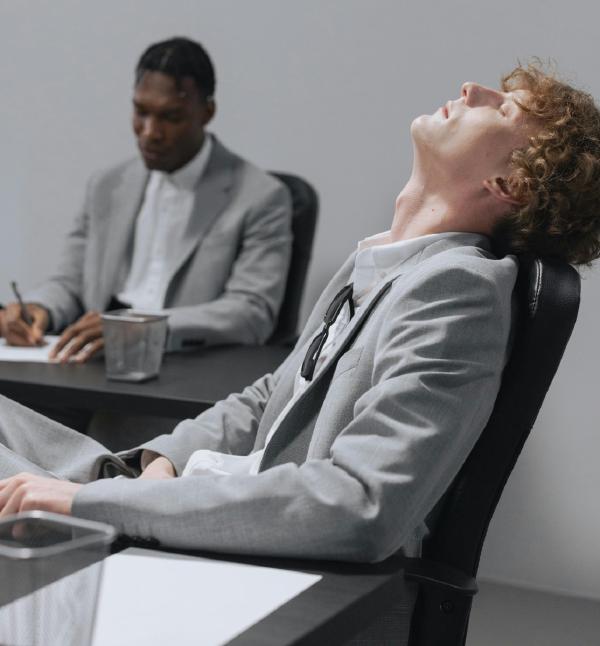
Some bosses believe that meetings at 7 or 8 AM are the key to success, crazy as is.
How it affects sleep? At least 20% of us are “owls” by chronotype and we are unfunctional at such early hours. Given that many of us are to get to the meeting very early in the morning, often by car, we are a danger on the roads, too. Undersleeping endangers everyone entangled!
The City in Perpetual Repair
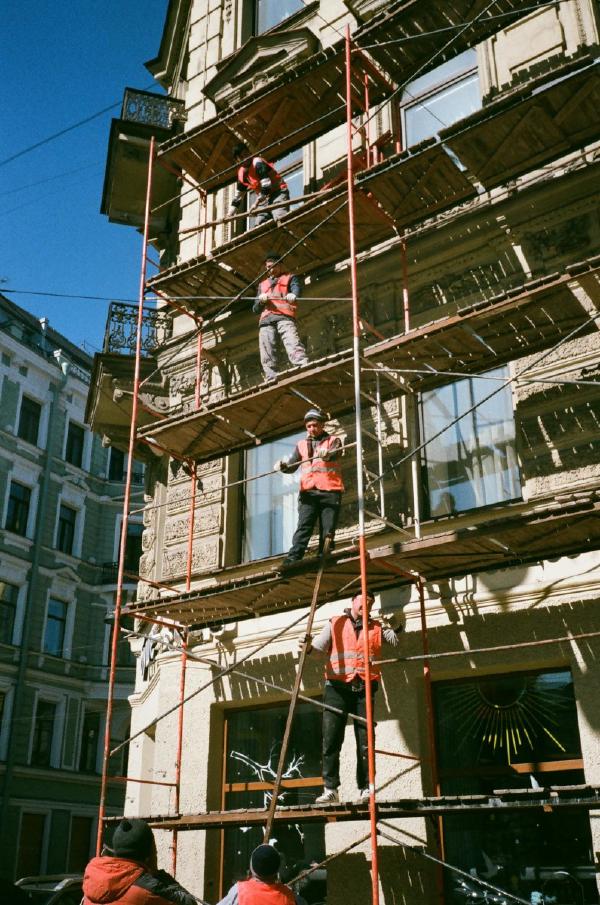
Our world is getting increasingly urbanised. A big part of scientific articles devoted to environmental factors affecting human health boringly start from some variant of a declaration that over half of the world population is residing in urban settings and that this proportion will only increase a lot and very soon. But what does this mean in practice?
Urban lifestyle is a bliss and a curse simultaneously. Good access to facilities, including healthcare, is certainly a bonus. Diminished availability of nature with simultaneous increase in pollution is a downside. Constant need to repair and better buildings, roads, and infrastructure is one of characteristics of urban life. This makes construction sites (and the noise that comes with them) an ever-present reality.
How does it affect sleep? The author of this brief text distastes the warm season in Krakow. Every year some construction happens in her immediate neighbourhood! One year it was exchange of communications and all the street was in holes. Another year, it was adding an additional floor to a house close by. Next year, it was adding an elevator in a building just opposite of hers. The drilling starts every morning and last throughout the day. If one is an owl by chronotype, undersleeping becomes an issue. The best solution is to take holidays and retire for a countryside at least for several weeks, to be able to catch up some sleep.
Bird Watch
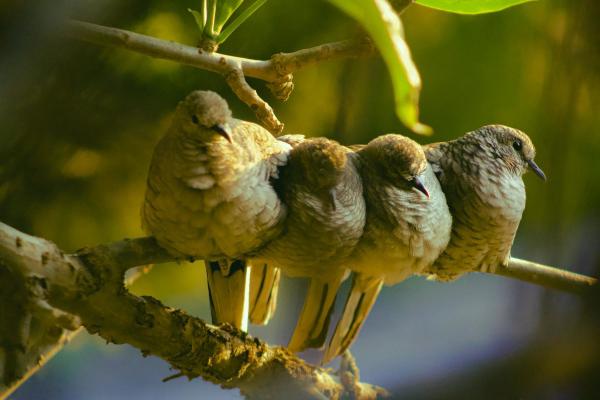
When a bird sleeps alone, one side of its brain must stay awake to monitor its surroundings, so the corresponding eye is left open (much like a wink 😉). But when birds sleep together in a group, many of them manage to get rest with both sides of the brain.
How is that even possible? When birds line up in a row, the ones on the far left/right only sleep with one brain hemisphere and keep the respective eye open. In the meantime, the birds in the middle can enjoy full sleep with eyes closed (unfortunately, at the expense of their friends who are on the lookout 🙁). That way, the flock of birds maintains full threat detection even during sleep. Don’t worry! After some time, the outer birds turn over to get some sleep with the remaining side of the brain. After all, everyone deserves rest.